At Reed Talent Solutions, we are passionate about creating a positive environmental impact in the communities where we live and work. As part of our ongoing environmental, social, and governance (ESG) commitments, our colleagues have been actively volunteering with Calderdale Council to support vital moorland restoration and carbon capture efforts.
Through hands-on conservation work, we have contributed to the restoration of peatland ecosystems by helping to grow and plant sphagnum moss - a small plant with a powerful role in combating climate change.
Working together for nature recovery
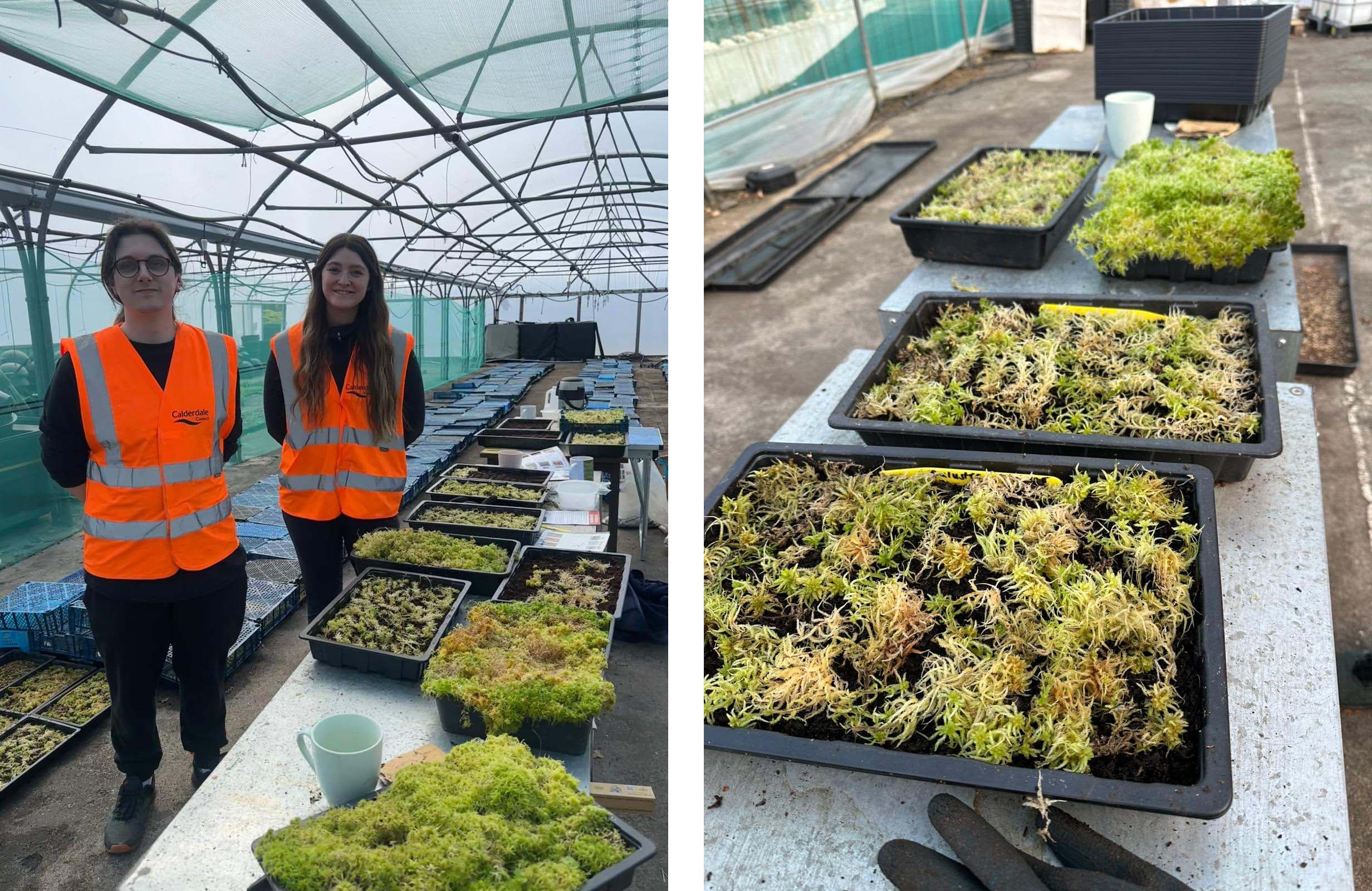
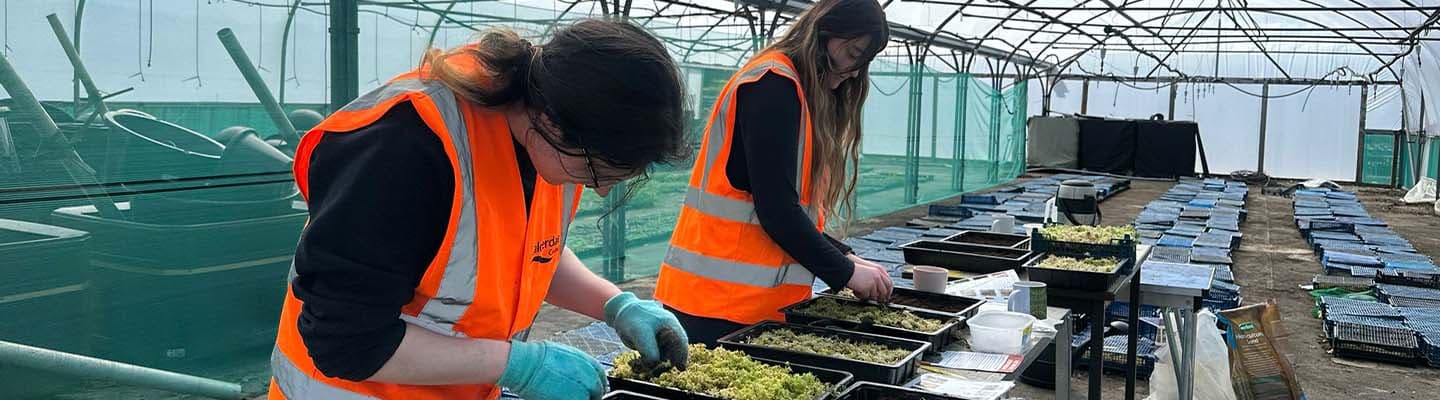
Partnering with Calderdale conservation volunteers, our teams have taken part in two planting days on the Yorkshire moors, alongside a seed propagation session at Calderdale Council’s plant sanctuary.
These volunteering days provided a fantastic opportunity for colleagues to step away from their desks and directly contribute to environmental restoration. Activities included carefully planting sphagnum moss across degraded moorland areas and learning about the propagation techniques that support long-term ecosystem recovery.
The experience was both rewarding and educational, offering insight into the critical role peatlands play in carbon storage and climate resilience.
Why peatlands matter
Peatlands are one of the UK’s most important natural assets in the fight against climate change. They act as powerful carbon sinks, continuously absorbing carbon dioxide from the atmosphere and storing it in the soil over thousands of years.
However, over the past two centuries, peatland ecosystems - and the sphagnum moss that sustains them - have been significantly damaged. Industrial pollution, land drainage, and moorland fires have led to widespread decline, reducing their ability to store carbon and increasing the risk of environmental degradation.
Without intervention, degraded peatlands can even become sources of carbon emissions, releasing stored carbon back into the atmosphere.
This makes restoration efforts not just beneficial, but essential.
The unique power of sphagnum moss
Sphagnum moss may appear modest, but it is fundamental to the health and function of peatlands. Its impact is far reaching:
Flood prevention
The moss acts as a natural sponge, capable of absorbing up to 20 times its own weight in water. This remarkable property helps slow the flow of rainfall across the land, reducing the risk of downstream flooding. By restoring sphagnum across the Yorkshire moors, we are helping to build natural flood resilience in local communities.
Carbon capture
As sphagnum grows, it captures carbon dioxide from the atmosphere. Over time, this contributes to the formation of peat - a long-term carbon store. Healthy peatlands are among the most efficient carbon sinks on the planet, making their restoration a key strategy in addressing the climate emergency.
Biodiversity support
It creates the conditions needed for peatland ecosystems to thrive. These habitats support a wide range of species, from birds such as grouse and goldcrests to rare plants and insects. Without sphagnum, these unique ecosystems cannot survive.
A commitment to sustainable action
Our work with Calderdale Council reflects our broader commitment to sustainability and responsible business practices. We believe that real change happens when organisations take practical action - not only through strategy but through meaningful, community-led initiatives.
Volunteering also empowers our people to connect with nature, build stronger teams, and understand the importance of environmental stewardship firsthand.
Restoring peatlands is a long-term effort, and there is still much work to be done. Reed Talent Solutions remains committed to supporting initiatives that deliver tangible environmental benefits and contribute to a more sustainable future.
We are proud of the enthusiasm shown by our volunteers and look forward to continuing our partnership with Calderdale Council to help protect and restore these vital landscapes.